
6 outdoor trip necessities
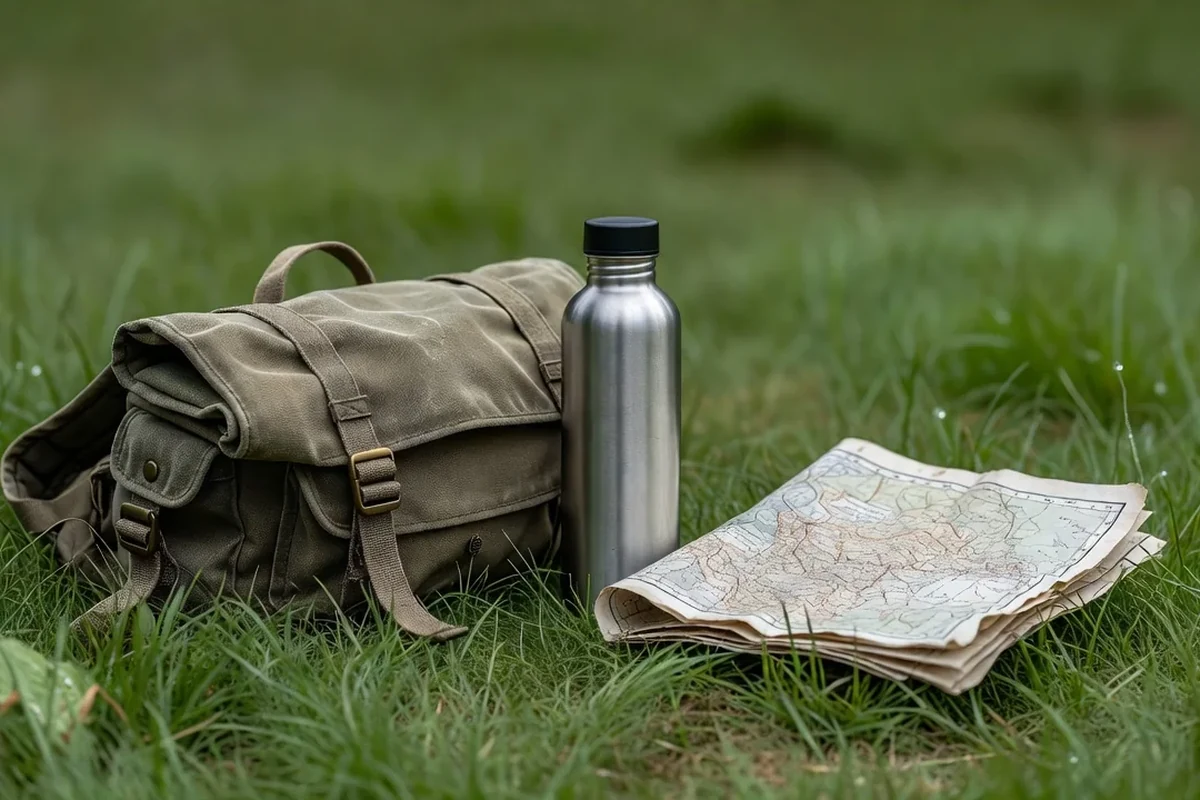
A day outdoors goes wrong for a short list of reasons: not enough water, no protection from a change in the weather, or a small problem with no simple fix in the bag. The good news is that packing for a hike, a picnic or a weekend in the country does not require a mountain of gear. A handful of sensible items covers almost every trip, and once you know which ones matter you will take them every time without thinking. This guide goes through the six things worth packing, and explains why each one earns its place.
Water, food and warmth
Water is the first thing to pack and the easiest to underestimate. Take more than you think you need, because thirst is a poor guide once you are already out on the trail, and a full bottle weighs less than the regret of running dry.

Food matters less for a short walk and more for a long day. Bring something that travels well and does not melt or crumble: nuts, fruit, a sandwich and a bar or two will keep your energy steady and your mood up.
Warmth is the third basic. Even on a warm day, a windproof layer and a light hat turn a cold, exposed ridge into a comfortable afternoon, and they cost almost nothing in weight.
Weather protection that earns its space
The weather changes faster than any forecast, so a light waterproof jacket or poncho belongs in the bag even when the sky is clear. A cheap emergency poncho takes up no room and has rescued countless picnics and walks.
A sun hat, sunscreen and sunglasses are the sunny-day equivalent. Sunburn and overheating are the most common outdoor complaints, and both are easy to prevent with a little preparation before you set off.
If rain is likely, a small dry bag or a plastic sleeve keeps your phone, keys and documents safe. Water ruins more days out than any other single problem, and it does so quietly.
Navigation and a charged phone
A charged phone with an offline map is the simplest navigation tool you can carry, but batteries fail and signal disappears. Learn the route before you go and carry a power bank so the map is still there when you need it.
For anything beyond a local park, a paper map or a printed route description is worth the small effort. It never runs out of battery, and it forces you to understand where you are going rather than following a line blindly.
Tell someone where you are going and when you expect to be back. It is the cheapest safety measure there is, and it turns a mishap into an inconvenience rather than an emergency.
| Necessity | Why it matters | Note |
|---|---|---|
| Water | Keeps you alert and comfortable | Carry more than you think |
| Food | Keeps energy steady on a long day | Choose things that travel well |
| Warm layer | Handles a change in temperature | Light and small, worth the weight |
| Rain cover | Saves the day when the sky turns | Even on a clear morning |
| Navigation | Phone plus an offline map | Charge it and carry a power bank |
| First aid kit | Handles the small, common problems | Include your own medication |
A small first aid and repair kit
A compact first aid kit covers blisters, small cuts, insect bites and headaches. Add any personal medication you rely on, because the nearest shop is often much further away than you expect.
A repair kit for the outdoors is short: a little tape, a spare lace, a safety pin and a multi-tool handle most of what actually breaks. These items together weigh less than a phone.
Knowing how to use what you carry matters as much as carrying it. Read the instructions once at home, so you are not learning under pressure on a hillside.
Layers, footwear and comfort
Layering beats a single heavy garment. A base layer, a warm middle and a windproof outer let you adjust to the temperature through the day, which is exactly what the outdoors demands.
Footwear should already be broken in. New boots on a long walk are a recipe for blisters, and comfortable, well fitting shoes are the single biggest factor in whether a day out feels easy or exhausting.
Small comforts are not luxuries: a spare pair of socks, a cloth, and a sit mat make a surprising difference to how much you enjoy the break rather than merely surviving it.
Leaving no trace and staying safe
Take everything you bring back out with you, and leave the place as you found it. Litter, picked plants and disturbed wildlife are the marks of a careless visit.
Know your limits and turn back early if the weather turns or the route is harder than expected. The summit is not going anywhere, and a trip you can repeat is better than one you regret.
- Take more water than you think you need.
- Pack a light rain layer even when the forecast is dry.
- Download an offline map and carry a charged power bank.
- Break in your footwear before a long walk.
- Tell someone your route and your expected return time.
- Take all your litter home and leave no trace.
Keep the bag packed between trips. A single grab bag with the water bottle, the rain layer and the first aid kit already inside turns a spontaneous walk into a two minute decision, and the habit of going outside survives the days when motivation is thin.
Six items, one small bag and a little planning cover almost every outdoor trip you will take. Pack them once, keep them together, and going outside stops being a project and becomes a habit you can enjoy on any free afternoon.
Read next
Kitchen hacks that actually save time
Simple habits and small tools that cut real minutes out of cooking without spoiling the food.
How to organise a home office that works
Desk, light, storage and routine: the practical side of a home office you can actually use.
Smart ways to cut your monthly household bills
Where households quietly overspend and the simple changes that reduce recurring costs.