
How to organise a home office that works
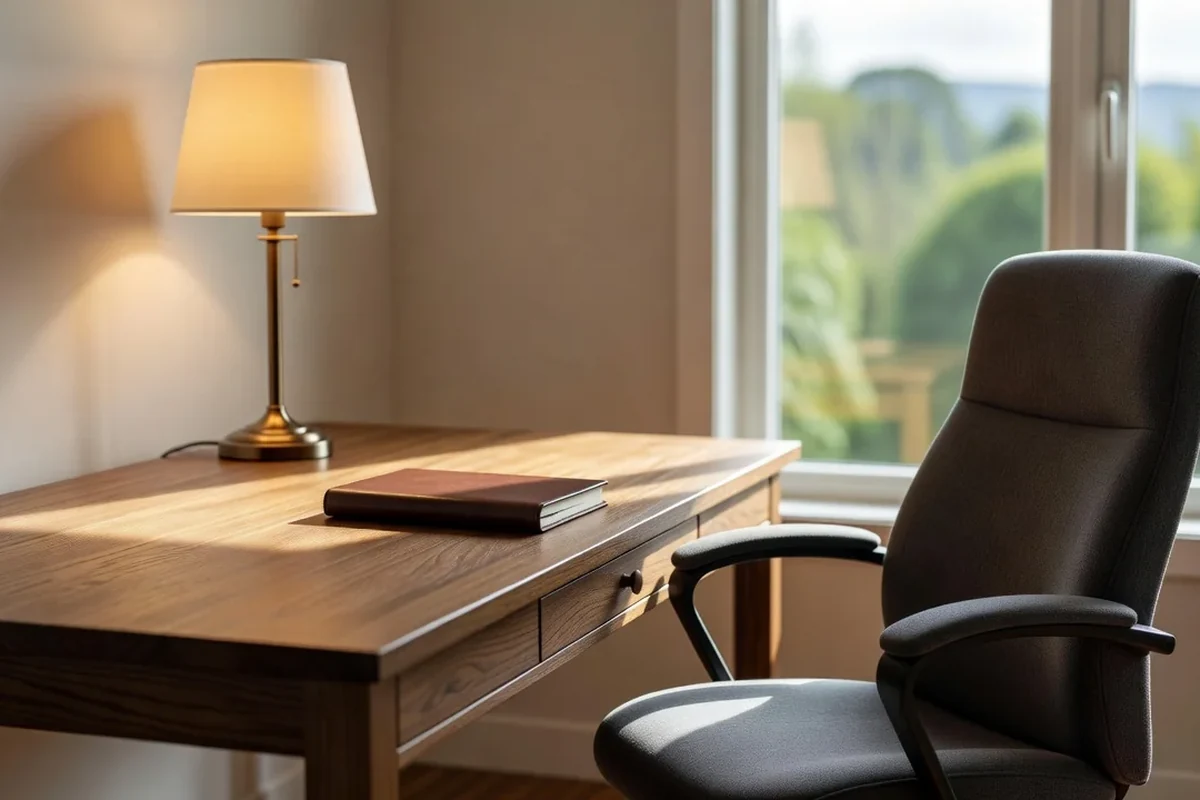
A home office is not a desk pushed into a corner; it is a small system that tells your brain when work begins and when it ends. Get the light, the chair, the storage and the routine right, and working from home stops blurring into the rest of the day. Get them wrong, and every task takes longer while the room quietly becomes the place you avoid. This is the practical side of setting up a home office that works for years, not just for the first week.
Start with light and air
Put the desk where daylight reaches it, ideally to the side rather than directly in front of you, so you are not staring into a window or squinting at a screen. Good light reduces eye strain and lifts the mood of the whole room.
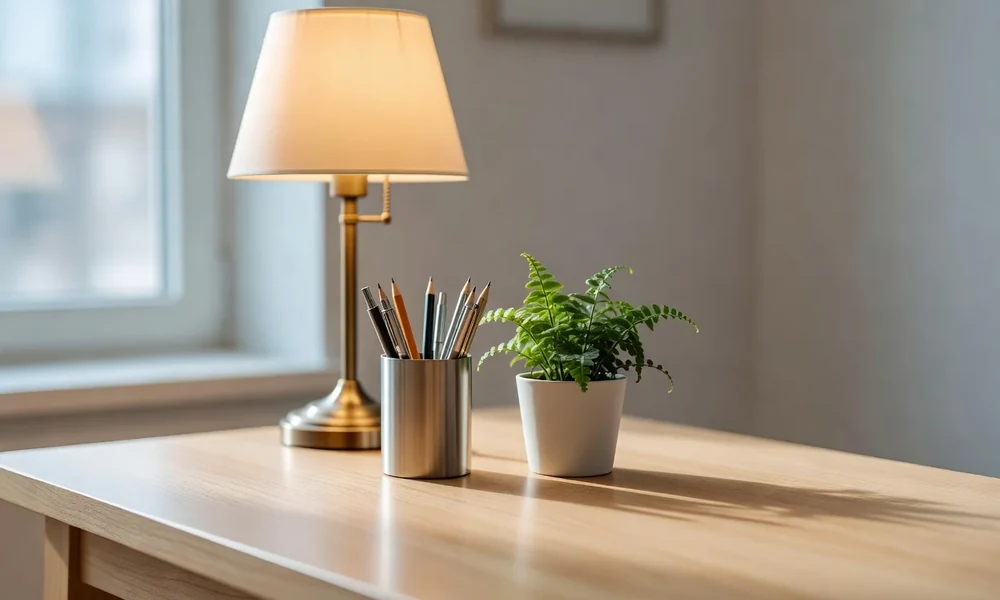
Air matters more than people expect. A room that can be ventilated stays fresh and keeps you alert, and a small plant or an open window does more for concentration than most accessories.
If the room gets dark in winter, a decent desk lamp matters, and a warm white bulb is easier on the eyes in the evening than a harsh cold one.
Get the chair and the desk height right
The chair is the one place not to economise. Your feet should reach the floor, your knees should sit around hip height and your elbows should rest near the height of the desk, so your shoulders stay relaxed.
The screen should sit roughly at eye level and about an arm's length away. If you use a laptop all day, a simple stand and a separate keyboard fix the posture problem that laptops create.
Take a short break every hour or so, and stand up. No chair, however good, replaces the habit of moving regularly during the working day.
Give everything one home
Every object in a working room should have a single, obvious home. Paper, cables, stationery and chargers all need a place to return to, or the surface will be covered again within a week.
Keep the desk itself almost clear. A tidy surface is not decoration; it removes the small, constant decisions about where to put things and leaves your attention for the actual work.
Store by frequency, not by category: whatever you touch daily lives within reach, and everything you touch rarely goes on a high shelf. The room should bend to your habits.
| Element | What to aim for | Why |
|---|---|---|
| Light | Daylight beside the desk | Less eye strain, better mood |
| Chair | Feet flat, elbows at desk height | Relaxed shoulders |
| Screen | At eye level, arm’s length | Neutral neck position |
| Storage | One home per object | Surface stays clear |
| Cables | Bundled and labelled | No searching for a charger |
| Routine | A clear start and finish | Work stays at work |
Separate work from the rest of life
A clear signal that work has started and finished protects the rest of your day. A closing ritual as simple as tidying the desk, writing tomorrow's first task and turning off the lamp tells your mind the day is over.
Keep work objects out of sight when you are off duty. A laptop left open on the kitchen table keeps the job present in the evening, and the boundary between work and home quietly disappears.
If you have no separate room, a dedicated corner and a routine still work. What matters is that the space means work when you are there and something else when you are not.
Manage cables and clutter
Cables multiply without supervision. Bundle them, label the ends and keep the spares in one box; ten minutes of tidying saves a great deal of frustration at the moment you need to plug something in.
Go paperless where you can, and scan or file the rest. A single well labelled folder beats a pile that you have to search through every time you need one document.
Review the desk every few months and remove whatever has not been used. Clutter returns slowly and steadily, and an occasional clear-out keeps the room working.
Protect your focus
Decide in advance what tool wins when work and home compete for your attention, and treat that rule as part of the office setup. A room that is calm to look at is easier to concentrate in.
Plan the next day before you finish, while the details are fresh. Starting the morning with a short, clear list removes the slow, expensive fog of deciding what to do first.
- Place the desk beside daylight rather than facing the window.
- Invest most of your budget in a good chair.
- Raise a laptop to eye level and add a separate keyboard.
- Give every object a single, obvious home.
- Keep work items out of sight after the working day ends.
- Plan tomorrow before you switch off the lamp.
One more practical point concerns noise and interruptions. Headphones, a closed door and a shared understanding with the household about when you are working make more difference to concentration than any piece of furniture, and they cost nothing at all.
Then let the setup settle. Adjust the chair, move the lamp and rearrange the surface over the first few weeks until the room feels automatic to use, and stop fiddling once it does. A home office is finished when you no longer notice it.
A home office works when the room and the routine agree with each other. Sort the light, the chair and the storage once, protect the boundary between work and home, and the space will quietly support you every day instead of getting in the way.
Read next
6 outdoor trip necessities
The handful of things worth packing for any hike, picnic or weekend outdoors, and why they earn their space.
Kitchen hacks that actually save time
Simple habits and small tools that cut real minutes out of cooking without spoiling the food.
Smart ways to cut your monthly household bills
Where households quietly overspend and the simple changes that reduce recurring costs.