
Kitchen hacks that actually save time
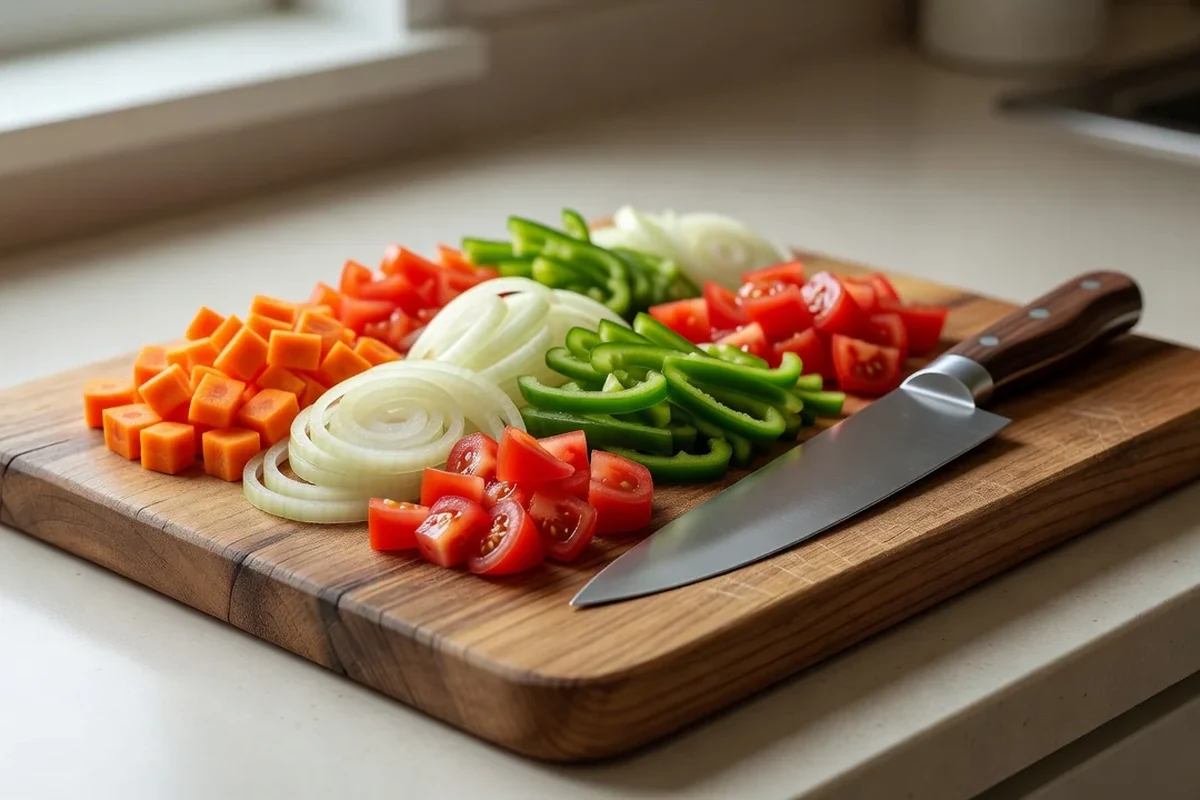
Most kitchen advice promises to save time and then asks you to buy something. The truly useful habits cost nothing and shave minutes off cooking every single day. They come down to a few principles: prepare before you cook, keep your tools where your hands expect them, and let the oven and the pot do work you would otherwise do yourself. These are the small changes that quietly turn a rushed evening into a calm one.
Prepare before the heat
The single biggest time saver is chopping, measuring and arranging everything before the pan goes on the heat. Professional kitchens call it mise en place, and it works just as well in a home kitchen on a weeknight.
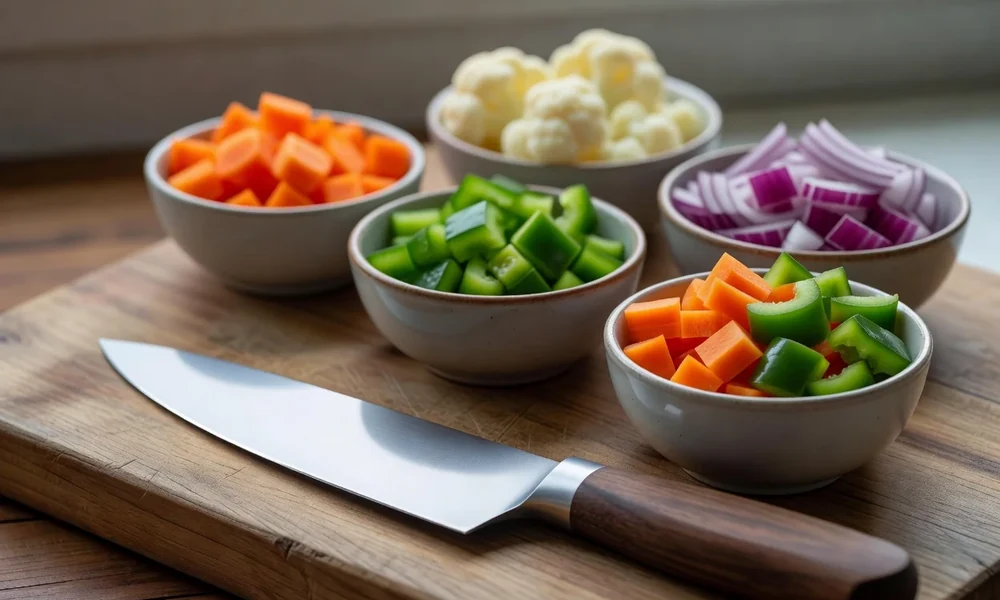
When everything is ready, cooking becomes a matter of adding things in order rather than a frantic search for the missing ingredient. You also stop burning the onions while you hunt for the garlic.
A cleared work surface is part of the same habit. You cannot cook quickly in a crowded space, and a minute spent tidying before you start saves several during the cook.
Let the appliances work
The oven, the slow cooker, the rice cooker and the kettle are all workers you can hire for free. While they run, you can prepare the next stage, tidy, or simply step away.
Batch cooking follows the same logic. Cooking once and eating twice or three times removes an entire cooking session from your week, and the food often tastes better the next day.
A kettle is faster than a pan for boiling water, and boiling water in it while you prepare the rest of a dish quietly saves several minutes every time you make pasta, rice or tea.
Keep tools where your hands expect them
A kitchen where the knife, the board, the oil and the salt live in the same place every day is a kitchen that cooks quickly. You stop thinking about where things are and start thinking about the food.
Hang or store the items you use most within arm's reach of the hob, and put the rarely used gadgets further away. The layout of a kitchen should follow your habits, not the cupboard's geometry.
Sharpen your knives. A sharp knife is safer and dramatically faster than a blunt one, and it turns chopping from a chore into a few quick strokes.
| Habit | Time saved | Why it works |
|---|---|---|
| Prepare first | Minutes every meal | No searching mid-cook |
| Use the kettle | A minute or two | Faster than a pan |
| Batch cook | A whole session | Cook once, eat several times |
| Keep tools close | Seconds each time | No searching for the knife |
| Wash as you go | The end clean-up | Dishes never pile up |
| Fewer gadgets | Cleaning time | Less to wash and store |
Cook once, eat well all week
Cook a large batch of a base ingredient, such as rice, roasted vegetables or a pot of beans, and build several meals around it during the week. This is how a busy household eats well without cooking every night.
Freeze in portions you will actually use, labelled with what they are. A freezer full of single portions is a private convenience shop that opens exactly when you are too tired to cook.
Keep a short list of meals you can make from memory with what you usually have. Deciding what to cook is often slower than cooking it, and a default list removes the decision entirely.
Simplify the clean-up
Wash as you go. A pan washed while the pasta boils never becomes a mountain of dishes at the end, and the whole kitchen feels lighter when the meal is finished.
Soak the stubborn pan immediately rather than letting it set, and use the waiting time to wipe the surfaces. Two minutes during the cook beats twenty minutes afterwards.
Fewer tools means less washing. A good knife, a board and one pot can produce an enormous range of meals, and each extra gadget adds cleaning time you will pay later.
Build a small, honest toolkit
A few tools repay their cost in saved minutes: a sharp chef's knife, a large board, a timer you can hear, and a set of containers that stack. Nothing else is essential.
Resist the drawer of single-purpose gadgets. They promise speed and deliver clutter, and the simplest tools are usually the fastest once you know how to use them.
- Chop and measure everything before the pan goes on the heat.
- Boil water in the kettle instead of on the hob.
- Cook a large batch and freeze single portions.
- Keep your most used tools within arm’s reach of the hob.
- Wash pans and boards while the food cooks.
- Prefer one good knife to a drawer of gadgets.
Two more habits round out the routine. Keep a running shopping list in the same place every day, so you buy what you need rather than what you notice, and shop once or twice a week instead of whenever a meal surprises you. A planned shop is faster, cheaper and far calmer than a daily scramble.
Finally, decide the week’s meals in broad strokes even if you never write them down. Knowing that Tuesday is a pasta night and Thursday is soup removes a hundred small decisions, and decisions, not cooking, are what really exhaust a busy cook.
None of these habits is dramatic, and that is precisely the point. Small, repeatable changes compound night after night, and a kitchen that once felt like a race slowly becomes a place where dinner simply happens.
Read next
6 outdoor trip necessities
The handful of things worth packing for any hike, picnic or weekend outdoors, and why they earn their space.
How to organise a home office that works
Desk, light, storage and routine: the practical side of a home office you can actually use.
Smart ways to cut your monthly household bills
Where households quietly overspend and the simple changes that reduce recurring costs.