
Choose the best gift for tech lovers
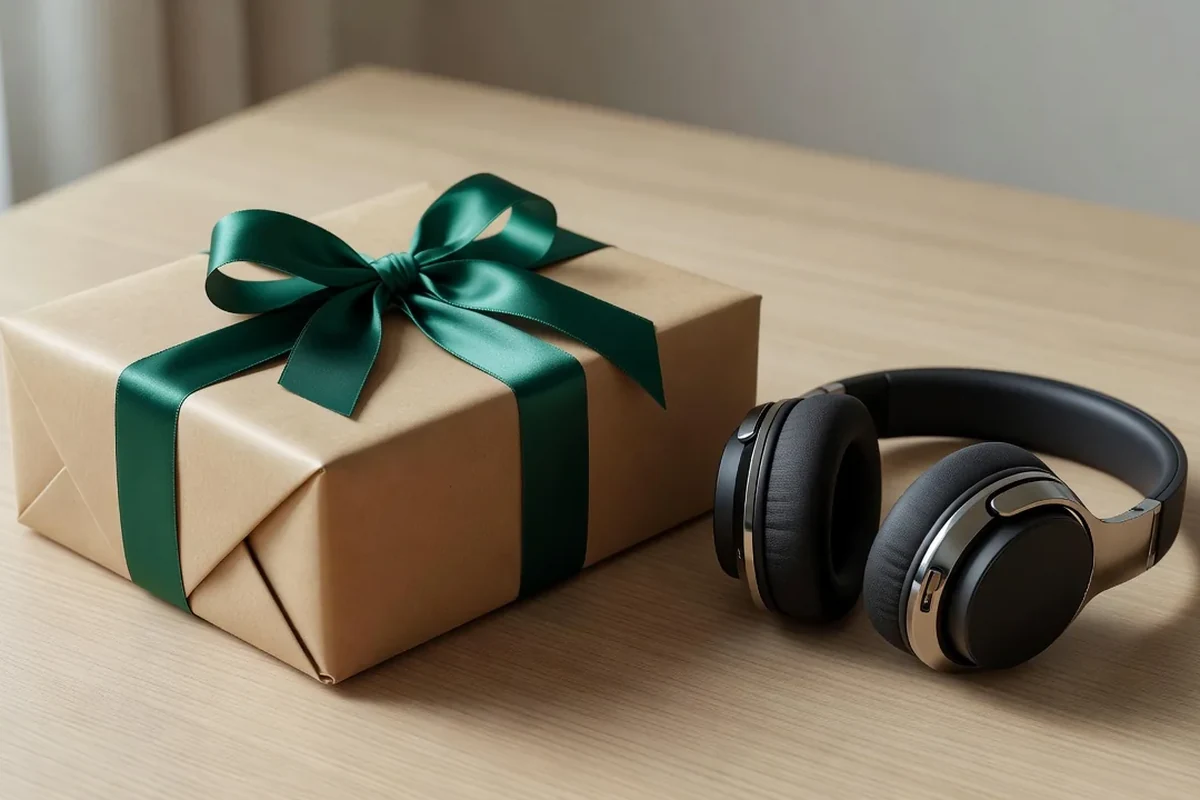
Buying a gift for someone who loves technology is harder than it looks. The obvious presents, the newest phone or the flashiest gadget, are often the wrong ones: too expensive, too specific or simply not what the person wanted. The good news is that the most appreciated technology gifts are rarely the most expensive. They are the ones that quietly fit the person's daily life. This article explains how to choose well, what to avoid and how to give something that actually gets used.
Start with the person, not the product
The first question is not what is new but what the person actually does each day. Someone who commutes, cooks, works outdoors or plays music has quite different needs, and the answer to those needs is often a small, practical object.

Listen for the small complaints people make about their routine. A dying battery, tangled cables, a keyboard that hurts, headphones that leak sound: these offhand remarks are the best gift brief you will ever get.
Ask about the problems they have solved and the ones they have given up on. What people have stopped complaining about is often exactly where a thoughtful gift would land well.
Avoid the spec trap
It is tempting to buy on numbers: more megapixels, more storage, a higher model number. But beyond a certain point, extra specifications make no difference to how someone actually uses a device.
The most expensive option is also the riskiest gift. If you buy something at the top of the range and it is not quite right, the mistake is expensive and awkward to correct, and the recipient feels obliged to be grateful for it.
Focus on fit instead of power. A device that suits the way a person works will be used every day, while a more capable one that does not fit the routine will sit in a drawer.
Choose gifts that are always welcome
Accessories are the safest and often the most useful category. Cables, chargers, stands, cases and storage are the things people buy reluctantly for themselves and use constantly.
Comfort and quality of life rank highly too: good headphones, a better keyboard, a decent lamp or a stand that improves posture are appreciated far more than another clever gadget.
Consumables are underrated. Something that is used up and enjoyed, rather than kept forever, removes the pressure of a long term commitment and often gets a warmer reaction than a permanent object.
| Gift type | Best for | Risk |
|---|---|---|
| Accessories | Almost anyone | Very low |
| Headphones or keyboard | Daily users | Low if quality chosen |
| Consumables | People hard to buy for | Very low |
| Mid range device | Known needs | Moderate without input |
| Top of range device | Enthusiasts only | High and expensive |
| Big decision purchase | No one, without asking | High |
Match the gift to the level of interest
A casual user wants technology that simply works. For them, simplicity, reliability and good instructions matter far more than features, and the best gift is one that requires no learning at all.
An enthusiast wants something to explore. They will enjoy a slightly unusual tool, a piece of equipment with depth or an accessory that expands what they already own, provided you have understood what they are into.
For a professional, avoid the big decision items. Buying someone their main working tool without their input rarely ends well, and a thoughtful accessory is usually the wiser and safer choice.
Small thoughtful touches
Set the gift up before you give it. Something that works out of the box is a far better present than something that needs an evening of configuration, and the small effort is noticed.
Include the extras people forget: the right cable, a spare battery, a case or a subscription, if you know it is wanted. The complete kit is more useful than the headline item alone.
Write a short note explaining why you chose it. It turns a useful object into a personal gift and shows that you were thinking about the person rather than the product.
What to avoid
Avoid anything that requires the recipient to change how they live. Technology gifts that demand new habits tend to be used once and then forgotten.
Avoid buying into a closed system the person does not already use, unless you are certain they want it. A gift that locks them into an ecosystem can be more of an obligation than a pleasure.
If in doubt, buy the experience or the accessory rather than the device itself. When you are unsure what a person really needs, the smaller, safer choice is usually the kinder one.
- Listen for small daily complaints and give the fix.
- Prefer fit over raw specification.
- Choose accessories and consumables for lower risk.
- Match the gift to how keen the person really is.
- Set the gift up before you hand it over.
- Never buy a main working tool without asking.
Timing matters as much as choice. A gift that arrives just as the person needed it feels almost clairvoyant, and a small thing given at the right moment often beats a large thing given out of season.
Finally, keep the receipt and the option to exchange. The kindest gifts come with an easy way to change them, and saying so out loud removes any awkwardness before it can start.
The best technology gift is not the most powerful one; it is the one that fits the person receiving it. Watch what they use, listen to what they complain about, and give something small, useful and ready to use, and it will be appreciated far longer than anything flashier.
Read next
5 various therapy treatments explained
Five common forms of talk and body therapy, what each is for and how to choose wisely.
Everyday habits that quietly improve your sleep
The daytime and evening habits that shape how well you sleep, and how to build them gently.
How to start investing with a small budget
The first steps for a beginner investor, the risks to understand and how to begin small.