
Ways to make your home more comfortable year round

Comfort at home comes from a small number of things done well: good light, fresh air, sensible warmth, a little quiet and spaces that suit how you actually live. None of them requires a renovation, and most cost very little. Yet together they make the difference between a house you tolerate and a home you are glad to return to. This article goes through the practical changes that improve comfort in every season, starting with the ones that make the biggest difference.
Get the light right
Light shapes how a room feels more than almost anything else. Keep windows clear, move furniture that blocks the daylight and let the sun do work that lamps otherwise must.
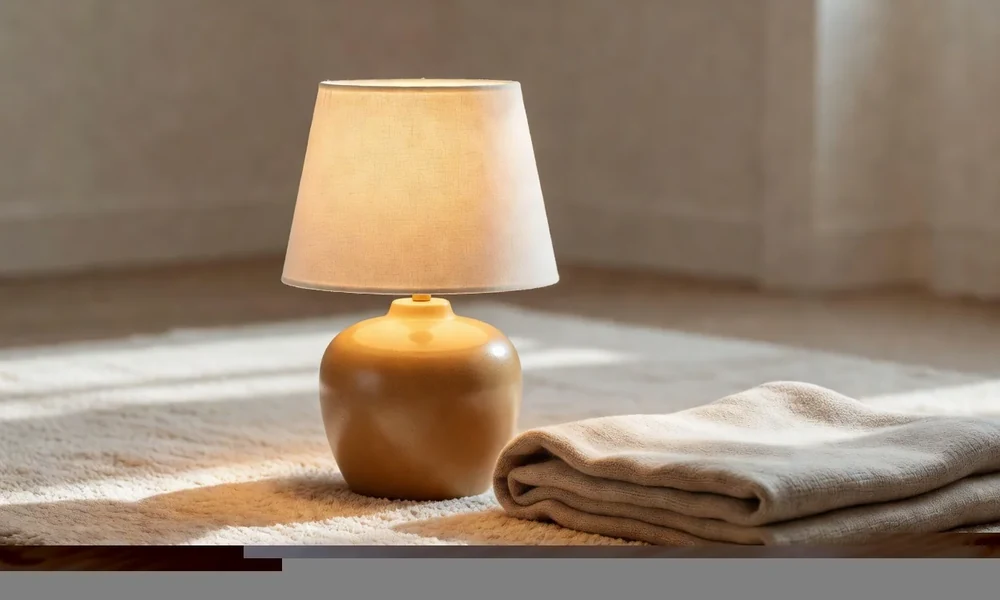
Layered lighting is the trick that transforms a room in the evening. Instead of one harsh ceiling light, use a few smaller sources, such as a floor lamp, a table lamp and a warmer bulb, to create a calmer atmosphere.
Change bulbs to a warmer tone in living areas and a cooler one where you work. The colour of light affects mood and alertness as much as its brightness.
Let the air move
Fresh air keeps a home feeling healthy and alert. Opening windows for a few minutes, even in winter, clears stale air and moisture faster than leaving them ajar all day.
Airflow matters as much as air. Leaving space around radiators, furniture and vents lets heat and air circulate, which keeps rooms comfortable at lower settings.
Managing moisture prevents damp, condensation and the mould that follows. Ventilating kitchens and bathrooms properly is the simplest and most effective defence.
Warmth without waste
Comfortable warmth is about control, not about turning everything up. Heating the rooms you use and not the ones you do not is the single simplest saving and comfort measure in most homes.
Stop draughts before raising the thermostat. Sealing gaps around doors and windows keeps a room warm for longer and removes the cold spots that make a home feel uncomfortable.
Let the sun in on a cold day and keep it out on a hot one. Curtains and blinds used with the sun rather than against it do a great deal of quiet work all year.
| Area | Simple change | Effect |
|---|---|---|
| Light | Layered, warmer lamps | Calmer evenings |
| Air | Open windows briefly | Fresh, less damp |
| Warmth | Heat used rooms only | Comfort and savings |
| Draughts | Seal doors and windows | Warmth stays in |
| Noise | Soft furnishings, rugs | Quieter rooms |
| Layout | Furniture for real use | Easier daily life |
Reduce the noise
Quiet is a comfort people notice only when it is missing. Soft furnishings, rugs, curtains and bookshelves all absorb sound and make a room feel calmer and more settled.
Separate the noisy parts of the home from the restful ones where you can, and use doors and soft materials to break the path of sound between them.
For persistent noise, address the gap rather than the source. Sealing a door or a window often achieves more than any amount of rearranging furniture.
Make rooms suit real life
Comfort is partly about layout. Furniture arranged around how a room is actually used, rather than how it looks in a shop, makes daily life easier and the space feel larger.
Give each activity a place: somewhere to sit and talk, somewhere to work, somewhere to eat. When a room has no clear purpose, it tends to become the place where things are put down.
Keep the busiest surfaces as clear as you can. A tidy room is not about discipline but about having fewer decisions to make, and a clear surface feels far calmer than a full one.
Small things that add up
Consider the details you touch every day: comfortable seating, a good mattress, decent towels and a chair that supports you. These are felt constantly and repaid daily.
Add plants and a little greenery where light allows. They soften a room, improve how it feels and give you something to look after, which is a comfort in itself.
Finally, keep a small pot of money and time for maintenance. A home that is repaired as it goes stays comfortable, while small problems ignored quietly turn into large and expensive ones.
- Clear windows and let in as much daylight as possible.
- Use several warmer lamps instead of one bright ceiling light.
- Air rooms briefly and often to clear moisture.
- Seal draughts before turning the heating up.
- Soften rooms with rugs, curtains and textiles.
- Arrange furniture around how the room is actually used.
It is worth starting with whatever bothers you most. Most homes have one recurring complaint, whether it is a cold room, a dark corner or a noisy street, and fixing that single thing changes how the whole house feels more than a dozen small improvements elsewhere.
Then let the changes settle before making more. Comfort is cumulative and quiet, and the best time to judge whether a change worked is after living with it for a few weeks rather than on the day you make it.
A comfortable home is not an expensive one; it is one where light, air, warmth, quiet and layout have been thought about once. Make the few changes that matter most, live with them, and the house becomes a place you are genuinely glad to come back to.
Read next
Choose the best gift for tech lovers
How to pick a technology gift that gets used, without chasing specs or spending a fortune.
5 various therapy treatments explained
Five common forms of talk and body therapy, what each is for and how to choose wisely.
Everyday habits that quietly improve your sleep
The daytime and evening habits that shape how well you sleep, and how to build them gently.