
How to start investing with a small budget
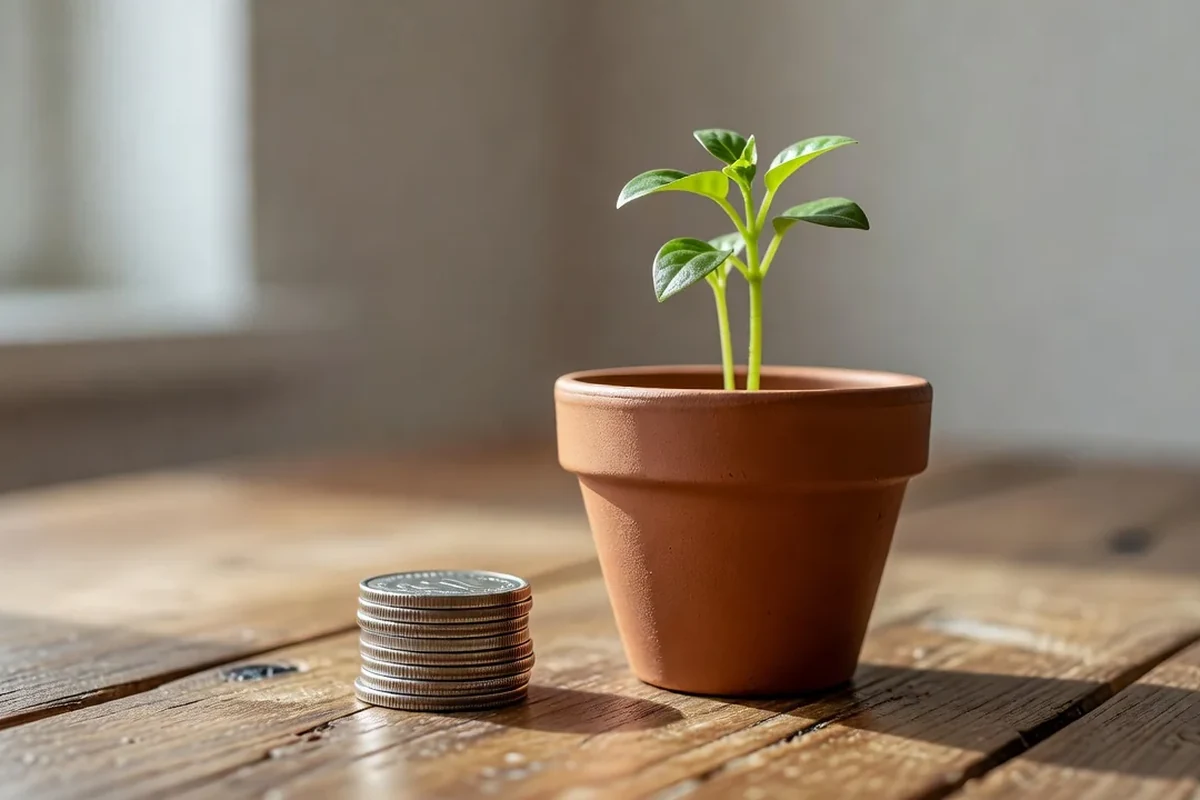
Investing has a reputation for being complicated and expensive, and for needing a large sum to begin. In practice the opposite is true: you can start with a small amount, and the habits matter far more than the size of the first contribution. What does need care is the groundwork, because investing carries real risk and the first decisions set the pattern for everything that follows. This article sets out the sensible first steps for a beginner, without promising anything about returns.
Sort the foundations first
Before investing anything, get the basics in order. Clear expensive debt, since paying off a high interest loan is a guaranteed return that no investment can match.

Build an emergency fund first. Money you might need soon should not be exposed to the market, because investments can fall exactly when you are forced to sell.
Then decide what the money is for and how long you can leave it alone. Investing rewards time, and money needed within a couple of years usually belongs somewhere safer.
Understand the risk honestly
Every investment carries risk, and the returns come from accepting it. There is no reliable way to make money without any chance of losing some, and anyone who promises otherwise should be treated with suspicion.
Prices move up and down, sometimes sharply, and a loss on paper only becomes a real loss if you sell at the wrong moment. Understanding that in advance is what allows you to stay calm when markets fall.
The value of investments can also be eroded by inflation and fees, so a small gain is not always a real gain. Costs matter enormously over long periods, and they are one of the few things you can control.
Keep costs low
Fees are the quiet enemy of a beginner. A small percentage charged every year compounds against you, and over decades the difference between a cheap and an expensive product can be very large.
Simple, low cost funds that track a broad market are the usual starting point for beginners precisely because they are cheap, transparent and diversified in one step.
Avoid anything that is hard to understand or that charges heavily for the privilege of holding it. If you cannot explain what you own in a sentence, it is probably not the place to begin.
| Step | What to do | Why |
|---|---|---|
| Clear debt | Pay off expensive borrowing first | A guaranteed saving |
| Emergency fund | Set aside accessible money | Avoid selling at a bad time |
| Set the horizon | Decide when you need the money | Matches risk to time |
| Choose low cost funds | Broad and simple | Fees compound against you |
| Contribute regularly | Small and consistent amounts | Smooths the timing |
| Wait patiently | Review once a year | Time rewards patience |
Start small and regularly
Begin with an amount you can genuinely afford to leave invested, however modest. The first goal is not a large sum but a habit of investing consistently.
Regular contributions smooth out the timing problem, because you buy more when prices are low and less when they are high. This simple discipline removes the need to guess the right moment.
Increase the amount as your income grows rather than waiting for a perfect starting point. Time in the market matters more than the size of any single contribution.
Diversify and be patient
Spreading money across many companies, sectors and regions reduces the damage any single failure can do. A broad fund does this automatically, which is why it is such a common recommendation for beginners.
Patience is the real skill. Investments tend to reward those who leave them alone for years, while frequent trading tends to reward only the intermediaries through fees and spreads.
Ignore the noise. Headlines, tips and dramatic predictions are designed to provoke action, and for a long term investor the most useful response is usually none at all.
Learn, then adjust
Learn the basics before you commit more money. Understanding what you own, why you own it and what could go wrong is the most valuable investment a beginner can make.
Ask whether advice is independent. Anyone recommending a product may be paid to do so, and free, neutral information is worth seeking out in preference to anything with a commission attached.
Review your plan once a year, not once a day. A calm annual check keeps the plan on track without turning investing into a source of daily anxiety.
- Clear expensive debt before you invest anything.
- Build an emergency fund first.
- Match the investment to the time horizon.
- Keep fees low, because they compound against you.
- Invest small amounts regularly rather than all at once.
- Review the plan annually, not daily.
It also helps to write down why you are investing, whether that is a home deposit, a pension or simple long term security. A written reason is a useful anchor when markets fall and headlines make selling feel tempting.
Finally, remember that this is general information rather than personal advice. Rules, taxes and products differ by country, and if the sums or the stakes are significant, a qualified independent adviser is worth the cost.
Starting to invest with a small budget is less about the amount and more about the order: foundations first, risk understood, costs kept low and contributions regular. Do those things patiently and the size of the first payment stops mattering.
Read next
Choose the best gift for tech lovers
How to pick a technology gift that gets used, without chasing specs or spending a fortune.
5 various therapy treatments explained
Five common forms of talk and body therapy, what each is for and how to choose wisely.
Everyday habits that quietly improve your sleep
The daytime and evening habits that shape how well you sleep, and how to build them gently.