
Digital decluttering: fewer apps, more focus
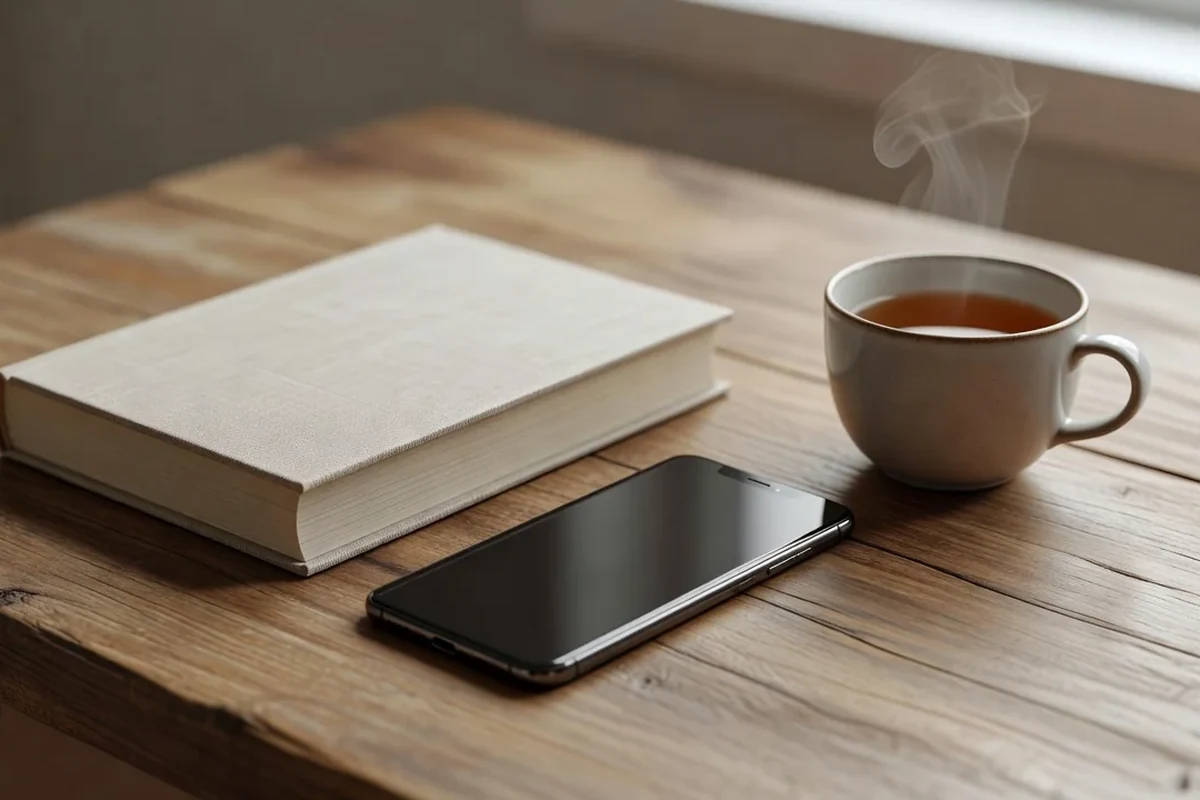
Phones were meant to be tools, and many of them have quietly become the loudest room in the house. Notifications, apps and endless feeds compete for attention every hour of the day, and the result is a device that leaves people tired rather than informed. Digital decluttering is the response: a deliberate effort to keep what is useful and remove what only distracts. It is less about giving up technology than about deciding, once, what deserves your attention.
The cost of constant noise
Every notification asks for a decision, and each small decision costs attention that is then unavailable for anything else. Over a day, the accumulation is far larger than people realise and it shows up as a vague sense of being busy but not productive.

The feeds are designed to be hard to leave. Infinite scrolling, autoplay and constant novelty are deliberate choices made by services whose business is your time, and recognising the design is the first step to resisting it.
The effect on mood is just as important. Time that could have been restful is spent half-engaged with a screen, and the rest that screens cannot give is exactly what many people say they are missing.
Start with notifications
The single most effective change is to turn off notifications you did not deliberately choose. Keep the ones that matter, such as calls from family and genuine messages, and switch off the promotional and social prompts that only pull you back in.
Move the essential apps to the first screen and leave the rest out of sight. Distance matters: an app you have to search for is opened far less often than one sitting in front of you.
Set the phone to be quieter by default. Do-not-disturb schedules, silent badges and a screen that stays dark until you look at it all reduce the number of times the device interrupts your day.
Delete and unsubscribe
Go through your apps and remove anything you have not opened recently. Most people are surprised by how few they actually use, and deleting an app takes seconds.
Then turn to email. Unsubscribing from newsletters you never read is a permanent saving, and each one removed is a small interruption that never returns.
Finally, deal with the duplicates and the clutter in your files. Several photo apps, two cloud drives and a dozen forgotten accounts all add mental load, and consolidating them makes the digital space feel lighter.
| Change | What it does | Effort |
|---|---|---|
| Silence notifications | Fewer interruptions | A few minutes |
| Hide the feeds | Apps opened less | A few minutes |
| Delete unused apps | Lighter, simpler phone | An evening |
| Unsubscribe | Fewer emails | Twenty minutes |
| Fix a check-in time | Attention returns | A daily habit |
| Charge outside bedroom | Quieter evenings | An easy rule |
Build a calmer default
A phone set up to be quiet becomes a tool again. Set a home screen with only what you use, remove the badges that count unread items, and let the device wait for you rather than calling to you.
Decide in advance when you will check the things that used to demand instant attention. A couple of fixed moments for messages is enough for almost everything, and the world rarely notices the delay.
Keep one honest rule about the bedroom. Charging the phone outside it, or at least out of reach, restores the last quiet hour of the day and the first one of the morning.
Replace the habit, not just remove it
Cutting screen time leaves a gap, and a gap quickly fills itself. Have something ready to take its place: a book, a short walk, a real conversation or simply a stretch of doing nothing at all.
Boredom is worth protecting. The moments of idleness that screens now fill are where ideas and rest actually happen, and reclaiming even a few of them a day changes how the whole day feels.
Expect it to feel strange at first. A quieter phone feels boring for a few days and then, for most people, simply better, as attention returns to the things they had been meaning to do.
Keep it going
Digital clutter grows back, so treat decluttering as a small regular habit rather than a single purge. Five minutes a month is enough to remove new apps, new notifications and new subscriptions before they accumulate.
Judge the setup by how it feels rather than by a target. The point is not a perfectly empty phone but a device that helps you do what you meant to do, and you will know when you have it.
- Turn off every notification you did not choose.
- Keep essential apps on the first screen only.
- Delete apps you have not opened recently.
- Unsubscribe from newsletters you never read.
- Check messages at set times, not on demand.
- Charge the phone outside the bedroom.
One useful test is to ask what you would miss. If an app disappeared tomorrow and nothing in your day would change, that is a strong sign it can go, and the exercise is quicker and more honest than any usage report.
When the phone is quieter, the change shows up elsewhere. People read more, sleep better and finish things they had been meaning to finish, not because they tried harder but because the interruptions finally stopped.
Digital decluttering is not about rejecting technology; it is about deciding what earns a place in your attention. Silence the noise, remove the clutter and give the quiet moments something better to hold, and the phone becomes the useful tool it was meant to be.
Read next
Why second-hand shopping is booming
Buying used has gone mainstream. What is driving it, and how to shop second-hand well.
Remote work and what it means for your home
How working from home is reshaping rooms, routines and the way households use their space.
Slow travel: why longer stays are winning
Fewer places, more time. The appeal of slow travel and how to plan a trip around it.