
Slow travel: why longer stays are winning
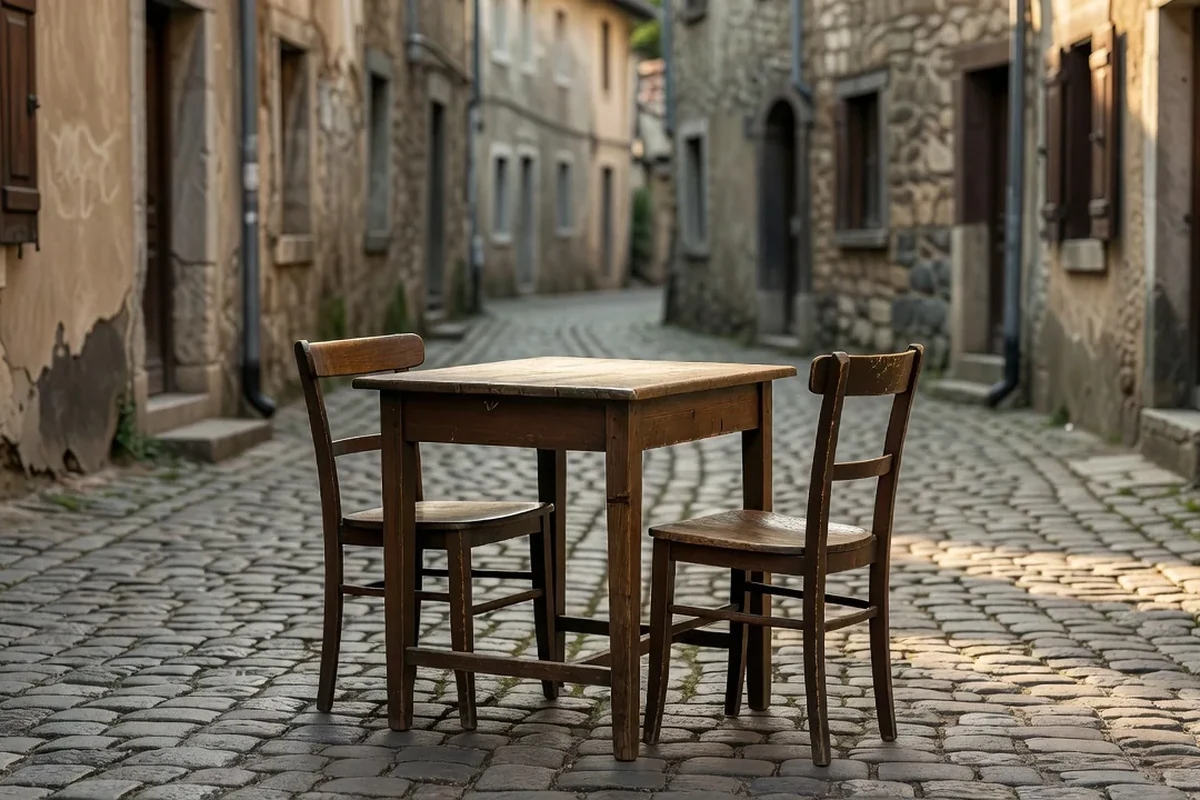
For years the ideal holiday meant seeing as much as possible in as little time as possible, and travellers came home needing another break. Slow travel turns that idea around. Instead of a list of destinations and a race between them, it promises fewer places and more time in each, with the ordinary life of a place allowed to show itself. It is cheaper, calmer and, for a growing number of people, far more memorable than the trip that tries to do everything.
What slow travel means
Slow travel is not simply travelling slowly by train or boat, though that is part of it. The heart of the idea is spending long enough in one place to stop being a visitor and start noticing how the place actually works.
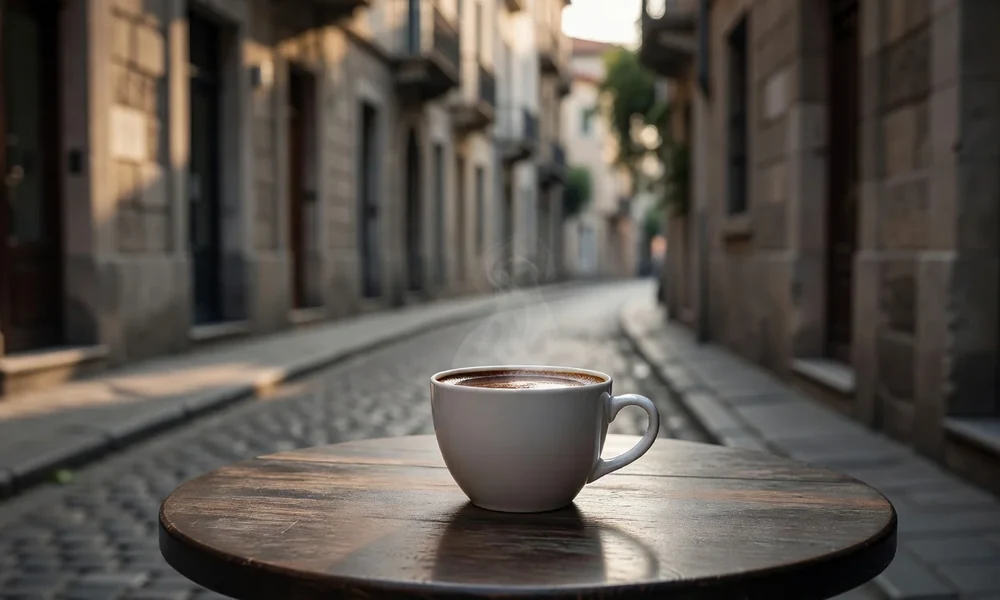
That means fewer stops and longer stays: a week in one town rather than a day in five, one neighbourhood explored properly rather than a famous square photographed and left behind.
The reward is depth. You learn which cafe the locals use, where the market is on a Saturday and which street is quiet in the evening, and those small details become the memory that lasts.
Why it is winning
The first reason is simple exhaustion. Packed itineraries leave no room to rest, and travellers increasingly want a holiday that restores energy rather than consuming it.
The second reason is cost. Staying longer in one place usually means cheaper accommodation, fewer transport tickets and a lower daily spend, because you stop paying tourist prices for every meal.
The third reason is the feeling of having actually been somewhere. Rushing produces photographs; staying produces familiarity, and familiarity is what people describe when they talk about a place they love.
Planning a slow trip
Choose a base rather than a route. Pick one town or one region, find a comfortable place to stay for a while, and let day trips extend your world outward from a settled home base.
Give each move a real reason. Every journey between places costs half a day, so a move should be worth losing that half day, and many potential stops are better saved for another trip.
Leave the itinerary partly open. Slow travel depends on being able to follow what is interesting on the day, whether that is a market, a festival or simply good weather for a walk.
| Approach | Time per place | What you get |
|---|---|---|
| Fast travel | A day or two | Many places, few memories |
| Slow travel | A week or more | Depth and familiarity |
| One base | The whole trip | Rest and lower costs |
| Day trips | Out and back | Variety without moving |
| Local life | Every day | Markets, food, routine |
| Weekend slow | Two days | A cheap experiment |
Making the most of a long stay
Live a little like a local. Shop at the market, cook some of your own meals, use the same cafe twice and walk the same streets until they feel familiar, and the place opens up in ways a short visit never allows.
Learn a few words of the language and use them. Even a clumsy attempt is usually welcomed, and it changes the tone of the small daily exchanges that fill a longer stay.
Keep a simple note of what you did each day. Over a longer trip the days blur together, and a short written record preserves the details that would otherwise disappear.
Slow travel at home and nearby
The approach works just as well close to home. Exploring your own region, or a nearby city, with the curiosity you would bring to a distant one is cheaper, simpler and surprisingly rewarding.
Weekends are enough to begin. A single unhurried weekend in one place is a small experiment in the same idea, and it is a good way to see whether slower travel suits you before committing to a longer trip.
Over time, the habit rewires how you travel altogether. Fewer destinations, longer stays and more attention become the default, and the holidays themselves grow calmer and richer as a result.
A note on balance
Slow travel is not a rule to be followed rigidly. Some places genuinely reward a quick visit and some deserve a month, and the skill lies in matching your time to the place rather than applying one formula everywhere.
The test is simple: would you rather see three places properly or seven from a bus window? Answer that honestly and the shape of your next trip becomes obvious.
- Choose a base and let day trips widen it.
- Give every move between places a real reason.
- Leave part of the itinerary deliberately open.
- Shop, cook and walk the streets like a resident.
- Learn a few words of the local language.
- Keep a short daily note so the days do not blur.
Accommodation rewards a longer stay too. Many places offer a lower rate for a week or more, and a self catering flat with a kitchen often costs less per night than a hotel room while giving you the space and the routine of a temporary home.
The same idea applies to how you move between places. A train or a slow road journey is part of the trip rather than dead time, and the countryside between two cities is often the most memorable part of the whole journey.
Slow travel wins because it gives back what rushed holidays take away: time, attention and rest. Stay longer, move less and let a place become familiar, and you come home with memories rather than a photo album of places you barely saw.
Read next
Why second-hand shopping is booming
Buying used has gone mainstream. What is driving it, and how to shop second-hand well.
Remote work and what it means for your home
How working from home is reshaping rooms, routines and the way households use their space.
Digital decluttering: fewer apps, more focus
Why people are simplifying their phones and how to cut digital noise without losing what matters.