
Remote work and what it means for your home
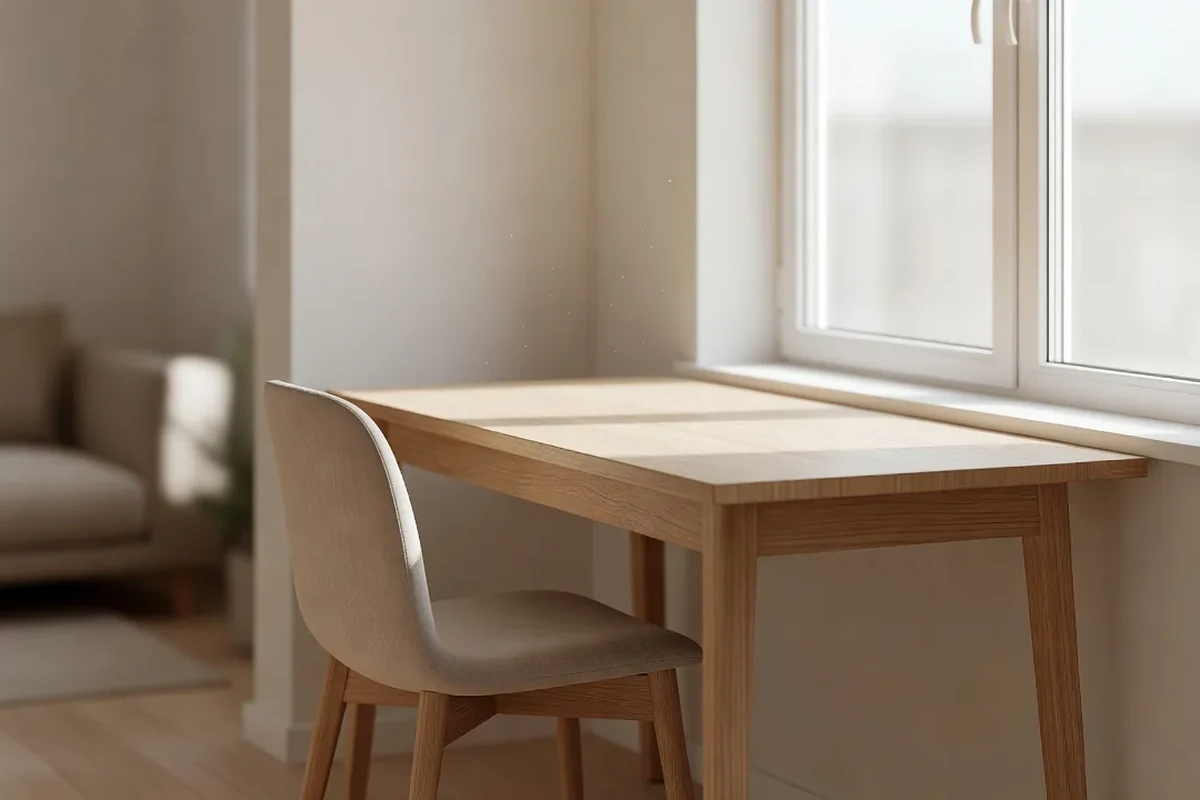
Working from home began as an experiment and settled into an ordinary part of many people's lives. Its effects reach well beyond the laptop on the table: the home itself is being reorganised around it. Rooms are being repurposed, routines redrawn and whole households learning to share space with the working day. Understanding those changes helps you make better choices about where you live, how you arrange it and how you protect the boundary between work and the rest of life.
The room that changed its job
The spare bedroom, the dining table and the corner of the living room have quietly become workplaces. Rooms designed for one purpose now do two, and the most successful homes are those that let each space shift without confusion.
Flexible furniture is the practical answer: a desk that folds away, a table that doubles as a meeting space and storage that hides work materials at the end of the day. The aim is a room that changes character quickly.
If a dedicated room is possible, it remains the gold standard. A door you can close, even for part of the day, is worth more to concentration than almost any technology.
Space as a shared resource
In a shared home, space becomes a negotiation rather than a given. Two people on calls at the same time need better planning than one, and a simple schedule of who uses which room when prevents most friction before it starts.
Noise is the common flashpoint. Headphones, soft furnishings and a little thought about where calls happen together solve most of it, and a household rule about quiet hours helps everyone keep their concentration.
Fairness matters as much as design. When the best space always goes to the loudest or the most senior job, resentment builds quietly, and a rotating arrangement is usually the fairest answer.
Routines that keep work at work
A commute was once the ritual that separated home from work, and losing it leaves a gap. Successful remote workers replace it deliberately with a short walk, a coffee routine or a fixed start time that signals the day has begun.
The end of the day needs its own signal even more. Closing the laptop, tidying the desk and stepping away from the work area give the mind permission to stop, and without that ritual work tends to leak into the evening.
Breaks matter too. Standing up, moving and looking out of a window at regular intervals keeps the day sustainable, and the habit is far easier to keep at home than people expect.
| Area | Change | Practical answer |
|---|---|---|
| Spare room | Becomes a workplace | Dedicate it or make it flexible |
| Dining table | Doubles as a desk | Clear it fully at the end of the day |
| Noise | Calls overlap | Headphones and quiet hours |
| Commute | Disappears | Replace it with a short ritual |
| Equipment | Home becomes an office | Invest in chair, mic and light |
| Location | Travel matters less | Weigh space and surroundings |
Technology and its limits
Reliable internet, a decent microphone, good lighting and a comfortable chair are the pieces of equipment that genuinely change the working day. Everything else is optional, whatever the marketing suggests.
Keeping work and personal devices or accounts separate protects the boundary between them, and it makes it much easier to leave work behind when the day ends.
Back up your work and keep your accounts secure. At home there is no IT department to rescue a lost file or a compromised login, so a little self-reliance in the setup pays off.
What it means for choosing a home
Remote work has changed what people look for in a place to live. A quiet corner, reliable broadband and a room that can serve two purposes now weigh as heavily as a short commute once did.
The location premium is shifting too. When the daily journey disappears, being close to the office matters less and being close to green space, schools and community matters more, and households are rebalancing accordingly.
The same logic applies indoors. A home that can flex to a changing working pattern is more valuable over the years than one with a fixed layout that suits a single moment.
Making it sustainable
Working from home works best when it is designed rather than improvised. Give work a place, a time and a boundary, and the rest of the home keeps its own character instead of slowly becoming an office.
Then review the arrangement honestly once or twice a year. Needs change, households change and rooms can be rearranged, and a short review keeps the setup serving your life rather than the other way round.
- Give work a defined place, even if it is only a corner.
- Schedule who uses which space in a shared home.
- Replace the commute with a short, fixed start ritual.
- Close the laptop and tidy the desk to end the day.
- Buy the few bits of kit that really change the work.
- Review the arrangement once or twice a year.
Remote work did not just move the office into the home; it changed how homes are used. Give work its own place and time, share space fairly and keep the boundaries clear, and the home supports the working day instead of slowly being taken over by it.
Read next
Why second-hand shopping is booming
Buying used has gone mainstream. What is driving it, and how to shop second-hand well.
Digital decluttering: fewer apps, more focus
Why people are simplifying their phones and how to cut digital noise without losing what matters.
Slow travel: why longer stays are winning
Fewer places, more time. The appeal of slow travel and how to plan a trip around it.