
Why second-hand shopping is booming
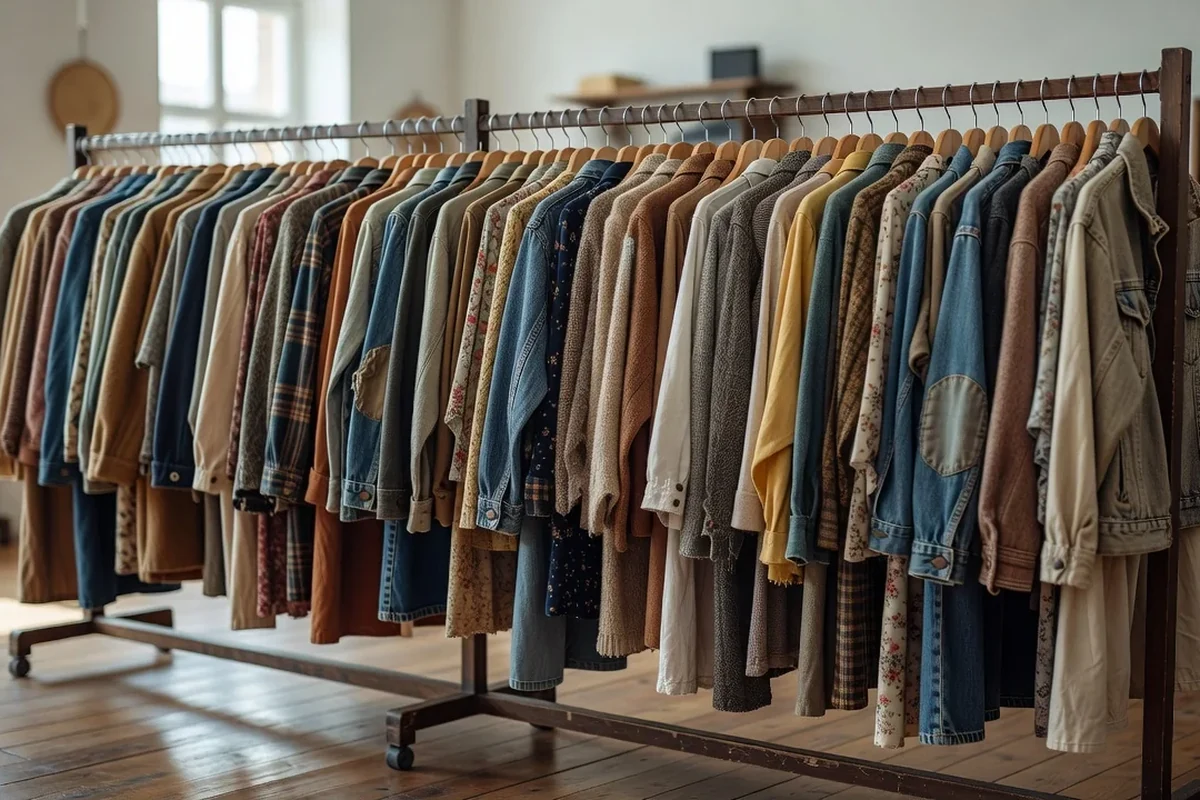
Buying second-hand has moved from a necessity and a niche hobby into an ordinary, everyday choice. People who could buy new increasingly do not, and the reasons are more practical than sentimental. Value, quality, sustainability and the simple pleasure of finding something unusual all push in the same direction. Understanding what is driving the shift, and how to shop used well, turns second-hand from a gamble into one of the smartest habits in the household.
What is driving the shift
The most obvious driver is value. A well made item costs far less once someone else has owned it, and the difference is largest exactly where quality matters most, in furniture, tools and clothing that was built to last.
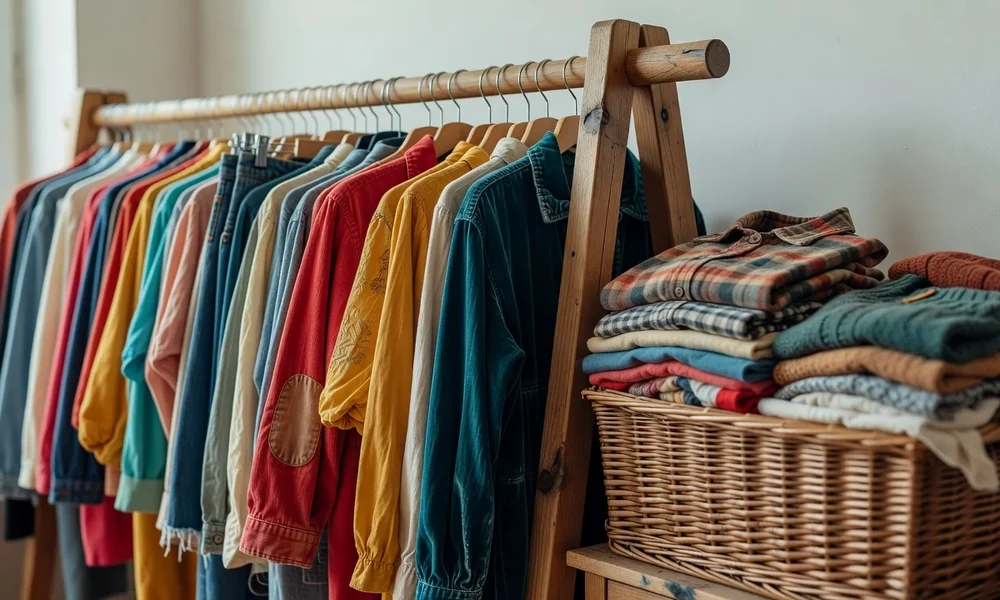
The second driver is sustainability. Extending the life of a product keeps it out of landfill and avoids the resources needed to make a new one, and for many buyers that environmental argument now sits comfortably alongside the financial one.
The third driver is quieter but no less real: uniqueness. In a market of identical mass-produced goods, a second-hand find carries history and character, and it is often better made than the cheaper new alternatives beside it.
Where to shop second-hand
Charity shops and local thrift stores remain the classic route, with the lowest prices and the greatest randomness. They reward patience and regular visits rather than a single determined hunt for one exact item.
Online marketplaces cover almost everything and reach the widest audience. They are strongest when you know precisely what you want and can compare conditions and prices, but they demand more care about who you are dealing with.
Specialist routes round out the picture: vintage furniture dealers, repair shops, estate sales and community swaps. Each serves a particular kind of buyer, and knowing which one suits your goal saves a great deal of time.
How to judge quality and condition
Learn the marks of quality in the categories you care about, whether that is solid joinery in furniture, stitching and fabric weight in clothing, or brand and servicing in tools. A little knowledge goes a long way.
Inspect before you commit. Look for wear in the places that fail first: joints, zips, soles, hinges and seams. Surface scratches are usually cosmetic, but a worn mechanism is where the real cost hides.
Ask why the item is being sold and how it has been used. An honest answer tells you more about the true condition of an object than any photograph, and a vague or evasive answer is information in itself.
| Route | Best for | Watch out for |
|---|---|---|
| Charity shops | Low prices, surprises | Limited choice, hit and miss |
| Online marketplaces | Specific items, wide reach | Verify the seller and the item |
| Vintage dealers | Furniture, quality pieces | Higher prices, less haggling |
| Repair shops | Serviced electronics | Check the guarantee |
| Estate sales | Household contents | Time pressure and crowds |
| Community swaps | Free exchanges locally | Smaller selection |
Buying safely online
Meet in a public place where practical, and inspect the item in daylight before any money changes hands. For anything valuable, a quick daytime meeting near a busy street or a shop entrance is the sensible default.
Treat a price that is far below the norm as a question rather than a bargain, and pay in a way that leaves some protection. A payment method with no recourse is a risk you do not need to take.
Keep the conversation inside the platform where you can. Moving to messages that leave no record removes exactly the protection the platform exists to provide.
Repair, restore and resell
One of the quiet advantages of buying used is that you are already comfortable with repair. A small fix, a new zip or a fresh coat of paint can turn a cheap purchase into something genuinely good.
When you are finished with an item, sell or donate it rather than storing it indefinitely. Passing it on extends its life again and keeps the whole cycle turning instead of stalling in a cupboard.
Buying and selling used also sharpens your eye. Each transaction teaches you more about what holds value and what does not, which improves every future decision.
Getting the habit right
Set a simple rule about what you will and will not buy used. For some categories, such as safety equipment and certain electronics, new is the sensible choice, and knowing your own limits keeps the habit safe.
Most of all, slow down. The best second-hand finds come from browsing without a deadline, when you have time to compare, inspect and walk away. Rushed buying is what gives the market its unfair reputation.
- Learn the marks of quality in the categories you care about.
- Inspect the parts that fail first: joints, zips and soles.
- Meet sellers in daylight and in a public place.
- Treat a suspiciously low price as a question, not a bargain.
- Repair and restore, then pass items on when you are done.
- Browse without a deadline and be willing to walk away.
Second-hand shopping is booming because it simply makes sense. You spend less, you own better made things, and you keep useful objects in circulation. Learn to judge quality, buy carefully and pass things on, and buying used becomes one of the most rewarding habits in the home.
Read next
Remote work and what it means for your home
How working from home is reshaping rooms, routines and the way households use their space.
Digital decluttering: fewer apps, more focus
Why people are simplifying their phones and how to cut digital noise without losing what matters.
Slow travel: why longer stays are winning
Fewer places, more time. The appeal of slow travel and how to plan a trip around it.